
Private label water bottle replacement parts should be planned before the first bulk order. A compatible lid, gasket or straw can keep a usable bottle in service. An unverified substitute can create a new leak complaint, a frustrating support exchange and an unnecessary second shipment.
For brands, importers and wholesalers, the sourcing decision is therefore larger than the price of an extra cap. You need to know which product generations a part fits, whether it can be reordered independently, how the supplier controls changes and how your warehouse identifies the correct item.
This OEM buyer’s guide explains how to build a practical spare-parts program for stainless steel bottles and related drinkware. It focuses on compatibility, purchasing specifications, replacement inventory and fulfilment. Component availability, minimum order quantities and performance must be confirmed for the exact model; the examples below are planning illustrations, not ShinyStar quotations or test results.
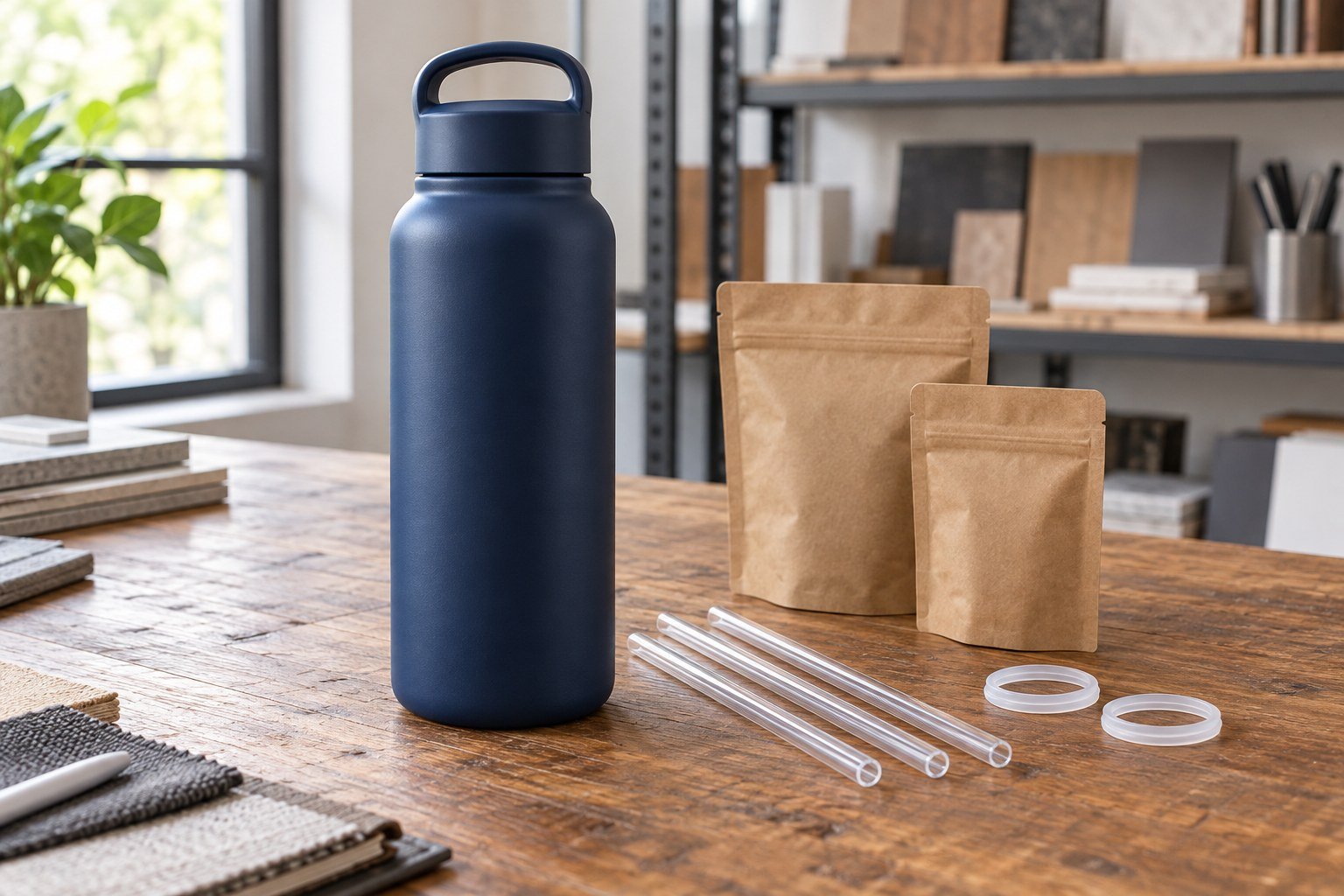
1. Define the Replacement Program Before Selecting Components
A replacement program should answer a specific operational problem. A DTC brand may need to replace a lost lid individually. An importer may need bulk service stock for retailers. A promotional distributor may need a limited reserve for an event. These programs have different packaging, stock and delivery requirements.
Separate warranty remedies from customer-paid replacements and optional upgrades. A replacement for a missing straw is not the same transaction as an alternative drinking lid. The alternative lid changes the product configuration and needs its own compatibility and use review.
| Program | Purchasing priority | Service requirement |
|---|---|---|
| Brand after-sales stock | Exact model and generation match | Fast individual dispatch |
| Importer or retailer reserve | Grouped quantities and traceable lots | Clear distributor allocation |
| Paid replacement collection | Identifiable service SKUs | Accurate online compatibility listings |
| Promotional project reserve | Availability within the project schedule | Named owner for remaining stock |
Choose the Smallest Useful Service Range
Start with parts that solve known or credible support needs: a complete lid assembly, the main removable seal and a compatible straw where the design uses one. Add more items only when customer demand, safe installation and economical dispatch justify them. Offering every internal lid component can increase confusion without improving repair success.
If you are still comparing bottle platforms, review our wide-mouth water bottle options alongside the proposed spare-parts list. A wider opening does not establish a universal lid standard. Ask for the precise compatible model list before using one replacement across a collection.
2. Treat Compatibility as a Controlled Specification
Capacity is a poor replacement identifier. Two bottles sold at the same capacity can have different necks, lid engagement, sealing surfaces and straw lengths. Conversely, several capacities in one product family may share a lid while requiring different internal straws.
Appearance is also insufficient. A cap can resemble the original, begin to engage and still stop before the gasket reaches the correct sealing surface. A service team should never approve a substitute merely because it looks close in a photograph.
Build a Compatibility Matrix
Create one record for each component revision. Include the supplier model number, your commercial model name, the approved bottle generation, the matching lid revision, material identification, colour and retained sample reference. List incompatible combinations explicitly when customers could confuse them.
| Component | Define and verify | Common sourcing mistake |
|---|---|---|
| Complete screw lid | Neck interface, seal position and full assembly | Matching external diameter alone |
| Main gasket | Profile, dimensions, material and seating direction | Buying a similar-looking silicone ring |
| Internal straw | Length, diameter, connector fit and end finish | Using capacity as the only identifier |
| Mouthpiece or vent seal | Exact lid revision and assembly method | Assuming all flip lids use the same part |
| Handle or carry attachment | Attachment interface and approved load use | Approving fit without carrying evaluation |
Check the Interface, Not Just the Part
Why Nominal Neck Diameter Does Not Prove Lid Interchangeability
A neck dimension is a useful starting point for communication, but it does not describe the full closing system. A screw closure also depends on thread form, pitch, engagement length, start position and the relationship between the cap and the sealing surface. Two interfaces described with the same nominal diameter may use different details. Treat the dimension as a screening value rather than proof that the cap is interchangeable.
The seal introduces another set of variables. The gasket may seal against the bottle rim, a shoulder or another designed contact surface. Its cross section and seating location influence how it compresses when the lid closes. A ring that enters the groove can still be wrong for the assembly if it is too thick, too thin, incorrectly shaped or made from a different approved material specification. Buyers should request the supplier’s component drawing and acceptance criteria instead of inventing a universal compression target.
The review must also consider how ordinary users install and operate the replacement. A laboratory-style fit check performed by a technician does not necessarily reveal confusing seating instructions or a cap that is difficult to start straight. Ask multiple reviewers to install the component using the intended customer instructions. Record whether it engages consistently, reaches the correct closed position and remains practical to open. Any force, binding or unusual seating should trigger investigation rather than a stronger tightening instruction.
Finally, test the replacement with retained bottles representing the generations it is intended to support. A new cap should not be approved only against the newest bottle sample if older stock remains with retailers or customers. The result should be a written list of validated combinations with identifiable sample references. Where a combination has not been checked, label it unverified. This prevents a broad compatibility promise from becoming a service obligation that the sourcing team never actually validated.
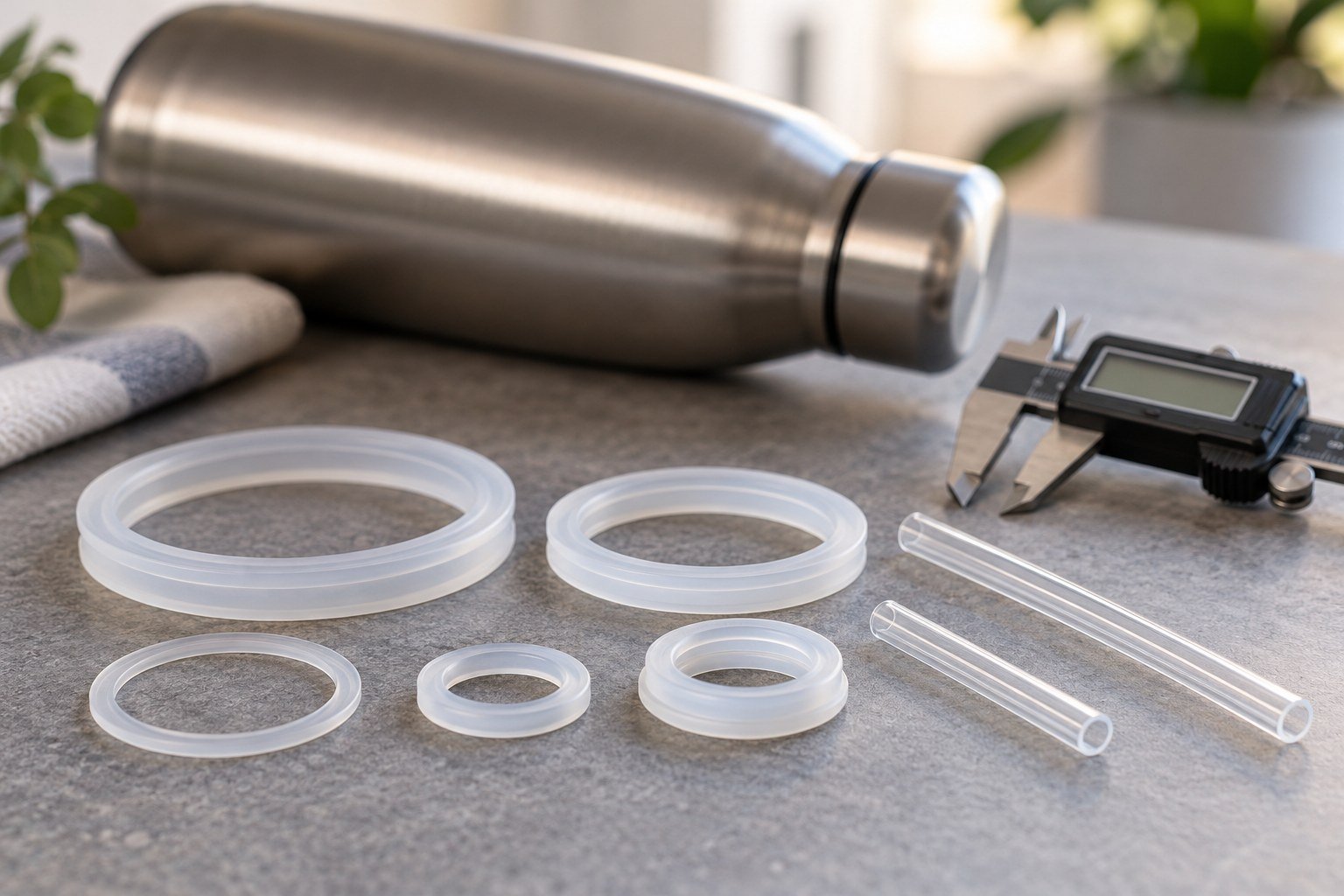
3. Choose Between Complete Lids and Individual Service Parts
A complete replacement lid often simplifies diagnosis and dispatch. The customer receives an assembled unit rather than identifying which small internal component failed. This can be valuable for a complex lid with several seals, a hinge, a lock or a drinking valve.
Individual seals and straws can be practical when the product is designed for routine removal and reassembly. They take less storage space and may solve a narrow problem without replacing functioning parts. Their value depends on correct identification and installation.
Compare the Total Service Outcome
| Route | Best fit | Main trade-off |
|---|---|---|
| Complete lid assembly | Complex closures or unclear fault diagnosis | More stock value and larger dispatch package |
| Individual gasket | Accessible seal with clear installation | Wrong profile or orientation can cause failure |
| Straw service pack | Validated straw family and connector | Lengths may differ across bottle sizes |
| Mixed maintenance kit | Repeated demand for related items | More packing checks and compatibility information |
A lower component cost does not guarantee a lower cost per resolved complaint. Count customer support time, picking, packing, postage and repeat dispatch. If a small seal frequently results in a second contact because installation is confusing, an assembled lid may be the more effective remedy for that specific issue.
Keep Carrying Parts Separate From Cosmetic Accessories
A handle, strap attachment or carry loop can support a filled bottle. Changes to these parts deserve review beyond appearance. Confirm the approved attachment and evaluation method with the manufacturer. Do not market a replacement carrying component as suitable for every bottle merely because the attachment seems to fit.
For a new lid configuration, use a complete sample approval process. Our bottle lid sample testing guide covers the broader functional review. The spare-parts program should carry those approved configurations forward, rather than introduce untested alternatives after launch.
4. Write an RFQ That Separates Bottle and Spare-Part Requirements
A bottle quotation and a spare-parts quotation are different purchasing documents. The supplier may buy plastic housings, silicone seals and packaging from different production streams. Ask for each service item separately, even if the first delivery travels in the same shipment as the bottles.
Spare-part MOQ and future availability need model-specific confirmation. Review bottle, lid, accessory and packaging requirements together, and obtain separate supply terms for the selected service components. A bottle MOQ should not be transferred to every spare.
Request These Commercial Details
- Exact component code, revision and compatible bottle list.
- Quantity required initially and the expected reorder range.
- Stock colour versus custom-colour availability.
- MOQ by component, colour and packaging format.
- Price for loose bulk supply and separately packed service units.
- Sample availability, approval requirements and retained references.
- Production, packing and delivery lead times stated separately.
- Change notification, discontinued-part notice and last-order arrangements.
- Responsibility for inspection, shortage reconciliation and nonconforming parts.
Specify whether a quoted lid includes all seals and the internal straw. If you need assembled lids ready for dispatch, say so. An inexpensive lid housing without its gasket is not commercially equivalent to a finished service assembly.
Evaluate Colour Standardisation Deliberately
A neutral service lid or clear straw may reduce inventory fragmentation, provided it meets your brand and compatibility requirements. Custom colour can preserve the original appearance, but may add a distinct production minimum and stock risk. Neither route changes the need for material and functional approval.
Keep functional grouping separate from cosmetic grouping. One validated lid interface can have several colours, while two visually identical colours can belong to incompatible interfaces. The warehouse should identify the technical family first and the colour second.
5. Plan Replacement Inventory From Demand and Replenishment Time
There is no universal spare-parts percentage that suits every launch. Demand depends on sales volume, installed product age, loss, wear, warranty policy and whether replacement parts are sold separately. A new brand should document assumptions and then replace them with observed service data.
Use an Explicit Planning Calculation
Planning reserve = expected replacement demand during replenishment time + chosen safety stock. Replenishment time includes supplier production, inspection, transit and receiving. Use the same time units throughout the calculation and distinguish units of components from units of service packs.
For illustration only, assume a brand expects 12 complete-lid requests per month, an end-to-end replenishment period of three months and a safety reserve of 20 lids. Its planning reserve is 56 lids: 12 × 3 + 20. These figures are hypothetical; they are not an industry replacement rate or a ShinyStar minimum.
If the actual supplier minimum exceeds 56, evaluate the cost and usable life of the extra stock. Consider a standard colour, consolidated purchase, agreed stock-holding arrangement or a different service route. Do not buy an incompatible part simply to reach a convenient quantity.
Track Requests by Reason
Separate lost parts, accidental damage, cleaning-related requests, confirmed manufacturing issues and optional upgrades. Those categories lead to different decisions. Lost straws may justify a paid service pack. Recurring leakage associated with one production lot requires investigation, not only more replacement stock.
Track replacement requests against the relevant installed base as well as current sales. Older customers may still need service even when the original bottle has stopped selling. A rate calculated only from this month’s new orders can conceal demand from previous product generations.
Assign Ownership of Remaining Stock
Agree who owns surplus service parts and where they will be stored. If an importer supplies several retailers, determine whether the central warehouse dispatches replacements or sends allocated reserves to each retailer. Avoid a situation in which every partner assumes another party has stock.
Review the reserve after launch, after a new product generation and before the last purchase of a discontinued component. Reserve planning should evolve with the range. A fixed percentage added to every order is easy to administer but may keep purchasing parts that customers no longer request.

6. Validate Replacement Parts as Finished Service Items
Inspection should cover the component, its compatible assembly and its dispatch packaging. A dimensionally correct seal is still a service failure if the bag contains the wrong quantity or its label names an incompatible product.
Create a written approval checklist with the manufacturer. Define the sample selection, test conditions, acceptance criteria and records for the actual design. This guide does not prescribe universal leak-test durations, closing torques or drop heights; those require product-specific engineering decisions.
Inspect Fit, Operation and Installation
- Match the supplied code and revision to the approved record.
- Check visible defects, contamination and unfinished edges.
- Install the part using the intended user instructions.
- Evaluate closure and sealing with compatible bottle samples.
- Check drinking flow and straw connection where applicable.
- Check removal, cleaning access and correct reassembly.
- Verify the packed quantity and model identification.
A replacement claim must stay within the approved use of the complete assembly. Do not assume a straw lid is suitable for hot liquids because the bottle body is insulated. Do not extend dishwasher, bag-carrying or beverage compatibility statements from one configuration to another without supporting evidence.
Review Materials Without Turning General Claims Into Proof
Ask for the component’s material specification and the evidence relevant to the intended market and use. Confirm that documents describe the actual material, colour and configuration under review. A report for a different seal or lid should not be accepted simply because the supplier name matches.
Review materials and applicable test evidence for the selected replacement configuration before approving supply. Request documentation during the project review, and identify any evidence still required. A general company capability statement does not confirm that a particular spare part has been tested.
Retain Reference Samples on Both Sides
Keep an approved component, compatible bottle and labelled service pack with your sourcing or quality team. Ask the supplier to retain matching references. Include dates and revision identifiers. A photograph helps recognition, but the physical sample is valuable when investigating fit differences between deliveries.
For practical cleaning and reassembly considerations, review our easy-to-clean bottle design guide. Clear service instructions should reflect the actual approved structure rather than a generic lid diagram.
7. Protect Compatibility Across Reorders and Design Changes
A replacement program can fail even when the first shipment is correct. A later lid housing, gasket profile, straw connector or neck change may alter compatibility. Purchasing needs a way to distinguish the updated component from service stock for earlier products.
Request Change Notification Before Substitution
Agree which changes require buyer review. Include functional geometry, material formulation, relevant colour changes, component suppliers and assembly details. Not every change has the same significance, but silent substitution prevents the buyer from making that judgement.
A supplier’s statement that a new part is “equivalent” should begin a review rather than end it. Ask what changed, which existing generations were checked and what evidence supports continued compatibility. If the result is acceptable, update the matrix and sample references before stock is combined.
Use New Revisions When Compatibility Changes
Where the updated component no longer fits earlier bottles, assign a distinct code and keep the stock separate. Update purchasing specifications, warehouse labels and customer-facing compatibility information together. A new code in a spreadsheet will not protect customers if the online listing still says “fits all models”.
Plan a last-order discussion before discontinuation. Confirm which service components remain available, any minimum for a final run and the storage arrangements for retained stock. Do not promise an indefinite support period until the supply and business arrangements have been agreed.
8. Make Service Packs Easy to Identify and Dispatch
Small parts are easy to mix. Packaging should protect cleanliness, keep the correct items together and provide sufficient identification for warehouse and customer use. A beautiful pouch without a model reference can make fulfilment harder than a simple labelled bag.
Give Every Service Pack a Usable Identity
Include your service SKU, compatible commercial model name, generation or revision where needed, contents and quantity. Keep lot information accessible to your operation. If the pack contains a seal with a specific installation direction, provide instructions showing that orientation clearly.
For customer-paid spare parts, product listings should show the actual supported models and clear component images. Explain important exclusions. Capacity, colour and a familiar brand photograph should not be the only means of identifying fit.
Cost the Fulfilled Replacement
Compare the component price with the finished cost of solving the request: packaging, inspection, receiving, storage, picking, customer support, delivery and expected redispatch. A small item shipped individually can have a very different cost profile from the same item packed into a bulk bottle shipment.
Our custom bottle accessory cost guide explains the wider effect of adding components to a range. For spare parts, extend that analysis through the final service delivery rather than stopping at the factory gate.
9. A Practical Approval Checklist for OEM Buyers
Before releasing a replacement-part purchase order, confirm these items with the people responsible for sourcing, quality, customer service and fulfilment. A useful program has one connected set of records rather than separate assumptions in each department.
- Scope: warranty reserve, paid replacements and upgrades are distinguished.
- Identity: each part has a code, revision and compatible-model list.
- Evidence: actual combinations have been reviewed and retained samples labelled.
- Commercial terms: price, MOQ, packing and replenishment timing are defined.
- Materials: specifications and applicable evidence match the selected configuration.
- Stock: planning assumptions, safety reserve and reorder ownership are documented.
- Change control: substitutions and discontinuation require agreed notification.
- Dispatch: labels, instructions and customer listings identify the correct generation.
An unresolved item should be visible in the approval record. For example, “new lid tested only with current-generation bottle” is a meaningful limitation. It tells the service team not to send that lid to older customers until the additional combination has been checked.
Frequently Asked Questions
Can One Replacement Lid Fit All Bottles in a Private Label Range?
Only if the relevant combinations have been validated. Shared capacity or similar appearance does not establish interchangeability. Some bottle families may share a neck interface, but lids, seals and straws can still differ. Ask for the exact compatible-model list, keep generation information and qualify any untested combination instead of advertising a universal fit.
Should We Buy Spare Parts With the First Bottle Order?
Consider an initial reserve when your service plan requires quick delivery and independent replenishment would take longer. The quantity should reflect documented demand assumptions, replenishment time and supplier minimums. Obtain a separate quotation and approve the packed service unit. Buying a reserve early is useful only when you know what it supports and who will hold it.
Is a Silicone Ring That Fits the Groove Automatically Suitable?
No. Seating in the groove is only one check. The seal profile, dimensions, material and interaction with the bottle’s sealing surface also matter. Verify the assembled system and customer installation method. Use the approved component record and physical reference rather than buying rings by a rough measurement or photograph alone.
Do Replacement Straws Need Different Lengths for Different Capacities?
They may. The required length depends on internal bottle height, the lid connector and the intended clearance at the bottom. Diameter and end finish also matter. A shared lid does not necessarily mean a shared straw. Keep straw variants identifiable and request supplier-approved dimensions; do not require customers to improvise modifications unless the approved product instructions explicitly support them.
What Is the MOQ for Custom Replacement Parts?
It must be quoted for the exact part, colour and packing requirement. A stock component can have different conditions from a new moulded part or a custom-colour run. The bottle MOQ does not establish the minimum for every spare. Ask for both the initial order and realistic reorder quantities so a low-cost launch does not create an unworkable future service requirement.
Does Sending a Replacement Resolve a Recurring Quality Problem?
It can help an individual customer, but it does not explain the underlying issue. Track the fault description, affected bottle generation and component lot. Distinguish loss, damage and installation errors from manufacturing nonconformity. If requests cluster around one configuration or delivery, investigate the cause and corrective action with the supplier while maintaining customer support.
How Long Should a Brand Keep Replacement Stock?
Set the support period according to your business obligations, customer commitments, installed base and supplier arrangements. There is no single duration appropriate for every program. Review demand from older generations and discuss final purchases before a component is discontinued. Avoid promising availability beyond the stock and replenishment arrangements you can reasonably support.
Can We Source Replacement Parts From Another Factory?
Possibly, but treat the alternative as a new component approval. Obtain enough specification information to evaluate materials, fit, function and consistency, then check it against the supported bottle generations. A visual match is insufficient. Also review tooling access, documentation and repeat supply before making the substitute a standard service SKU.
Conclusion: Purchase the Service System Alongside the Bottle
A private label water bottle replacement program works when technical compatibility and commercial availability are managed together. The correct gasket sitting in an unidentified bag cannot help a warehouse choose the right item. A well-labelled lid is equally ineffective if it has not been checked with the customer’s bottle generation.
Begin with a limited set of useful service items. Define the complete lid assembly, removable seals and straws that your customers are likely to need. Build a compatibility matrix, approve physical combinations and retain references. Then obtain separate commercial terms for initial stock, independent reorders, packaging and changes. This gives the program a practical purchasing foundation rather than a vague promise of future support.
Use actual service data to improve the reserve. Watch both request volume and request reasons. Reduce unnecessary colour fragmentation where your brand allows it, while keeping incompatible technical generations separate. When demand reveals a recurring fault, use it to improve the product or instructions instead of treating replacement shipments as the only response.
ShinyStar Flask works with B2B buyers on bottle, lid, accessory and packaging customisation. To discuss a replacement-parts plan, send the bottle model or sample reference, the components required, supported product generations, initial quantities, target market and intended packing format. We can then review the specific sourcing requirements, compatibility questions and quotation scope. Any commitment on spare-part MOQ, lead time, test evidence or future availability should be confirmed for that project.
Planning a private label collection? Contact ShinyStar Flask with your bottle and spare-parts brief so the service program can be considered before bulk production.